
⭐ Introduction
With the growing global demand for spices, the market is now filled with products of varying quality — and sometimes even adulterated spices. Whether you are a home cook, retailer, or wholesaler, understanding how to check spice purity is essential.
Sri Lanka is renowned for producing some of the world’s purest spices, but still, not every product on the shelf meets true quality standards.
This spice authenticity guide will help you identify pure, fresh, and high-quality spices every time you buy.
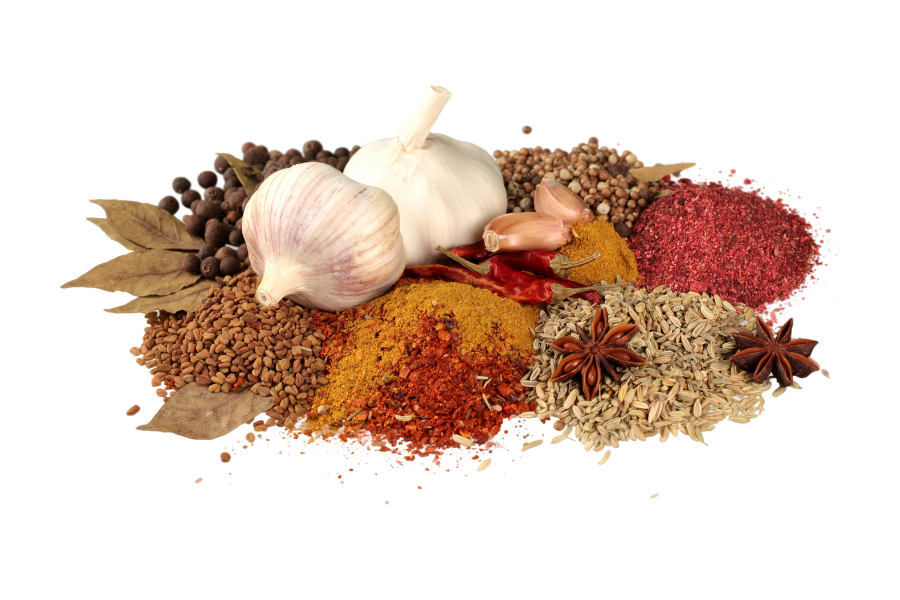
1️⃣ Check the Aroma — Pure Spices Have a Strong, Natural Scent
Good spices speak through their aroma. Fresh, high-quality spices give off a rich, natural fragrance as soon as you open the pack.
If the scent is dull, weak, or unnatural, it may indicate:
- Old spices
- Poor processing methods
- Adulteration or dilution
Tip:
Ceylon cinnamon, cloves, cardamom, and pepper from Sri Lanka are known for their distinct fragrance — a sign of high purity.
2️⃣ Examine the Colour — Natural Spices Are Not Overly Bright
Artificial colouring is one of the most common adulteration methods.
Pure spices usually have earthy, natural tones rather than overly bright colours.
Examples:
- Pure turmeric has a deep mustard-gold colour, not neon yellow.
- Pure chili powder is rich red, not bright artificial red.
- Pure curry powder has a warm brownish-yellow, not glowing yellow.
If the colour looks “too perfect,” it may contain dyes.
3️⃣ Inspect the Texture — Consistency Reveals Quality
Texture can reveal whether a spice is pure or mixed with fillers.
Signs of high-quality spices:
- Fine, even grinding
- No stones, stems, or foreign particles
- No lumps caused by moisture
Examples:
- Pure pepper powder should not contain white specks or husk pieces.
- Pure cinnamon powder feels soft and light, not gritty.
4️⃣ Check for Adulteration — Simple Home Tests Work
Here are easy checks anyone can do:
Turmeric Test:
Mix turmeric powder in warm water.
- Pure turmeric sinks slowly.
- Fake turmeric with dyes spreads colour instantly.
Chili Powder Test:
Rub a pinch on your palm.
- If it leaves an artificial red stain, it may contain colour dyes.
Cinnamon Authenticity:
True Ceylon cinnamon sticks are thin, soft, and layered, unlike Cassia which is thick and hard.
5️⃣ Look for Trusted Sources & Clear Labeling
One of the best ways to ensure you’re buying pure spices is to choose brands that openly share:
- Origin (e.g., “Product of Sri Lanka”)
- Processing methods
- Batch numbers
- No artificial colouring
- No additives
Companies committed to quality will highlight their standards clearly.
6️⃣ Prefer Sri Lankan Spices for Authenticity
Sri Lanka is globally recognised for producing the purest cinnamon, pepper, cloves, turmeric, and cardamom thanks to ideal climate conditions and traditional harvesting methods.
Choosing pure spices from Sri Lanka ensures natural flavour and high nutritional value.
⭐ Conclusion
Knowing how to choose quality spices helps you avoid adulterated, low-grade products and ensures your cooking gets the taste and health benefits it deserves.
By checking aroma, colour, texture, and labels — and choosing trusted Sri Lankan sources — you can confidently buy spices that are pure, fresh, and full of flavour.
At Food Ceylon, we pride ourselves on delivering 100% pure, hygienically processed, and freshly packed Sri Lankan spices that meet international quality standards.